
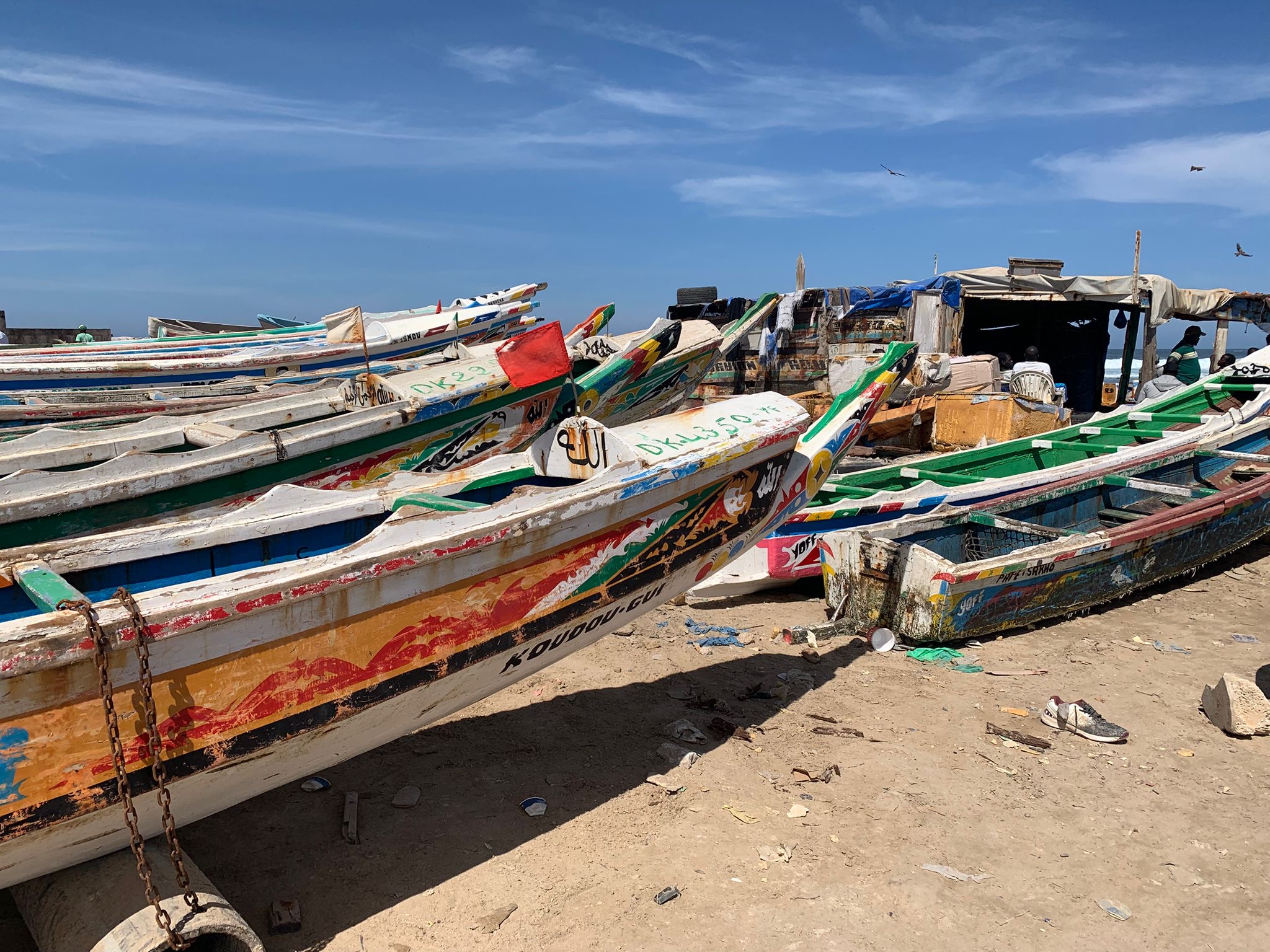
Senegal has a 718 km coastline along the Atlantic Ocean, 70% of Senegal's inhabitants live in coastal areas (with a population of approximately 16.9 million and a growth rate of 2.57% in 2022). This population concentration places immense pressure on coastal resources and environmental services, as 90% of the nation's industrial infrastructure is also located in these regions.
Fishing is a vital industry in Senegal, employing about 17% of the population and serving as a critical protein source while also providing cultural benefits. However, challenges such as overfishing, Illegal, Unreported, and Unregulated (IUU) fishing, and environmental degradation threaten the sustainability of concentrated industrial fishing.
Introduction
The Ocean Country Partnership Programme (OCPP) in Senegal is delivered under the UK Government's Blue Planet Fund, which is designed to assist developing countries in managing their marine environments sustainably. This is being accomplished through mechanisms that also serve to enhance livelihoods and reduce poverty through technical assistance, capacity building, and policy support.
The OCPP team for Senegal have identified several thematic priorities for work to support Senegal in effectively managing human activities that impact the marine environment and ensure that all of their citizens can benefit from its long-term sustainable use. These include enhancing technical knowledge and capacity within key government ministries, improving data collection and analysis for better marine resource management, increasing resilience in coastal communities through capacity building, and supporting the development and implementation of Marine Spatial Planning (MSP). Activities include training, knowledge exchange, support for data collection, and community engagement to ensure effective management, monitoring, and sustainable use of Senegal's marine resources.
JNCC’s Senegal OCPP Work Areas
Through OCPP JNCC's efforts have focused on supporting the identification and designation of offshore MPAs, scaling up capacity building for coastal MPAs, and developing communication materials to raise awareness about the benefits of MPAs. Additionally, the programme aims to establish a long-term financing system for the national MPA network, promote best practices in environmental assessments for the oil and gas sector, and increase awareness of MPAs among local elected officials. Future plans include continuing support for the implementation of offshore MPAs, engaging stakeholders, conducting capacity-building workshops, and developing a data platform to streamline MPA data collection and sharing.
The headings below summarise some of the current and past work areas undertaken across the biodiversity and emergency response themes of the OCPP that JNCC work on in partnership with the Government of Senegal.
Outputs from these work areas can be viewed in the Resources section when they become available.
Offshore MPA Framework

The Division of Community-Based MPAs (DAMCP), the entity in charge of MPAs in Senegal, have communicated its intent on expanding their successful network of coastal MPAs to the offshore, an area with increased use from the fisheries and energy sector.
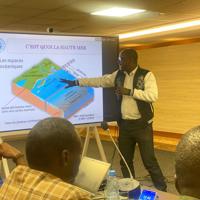
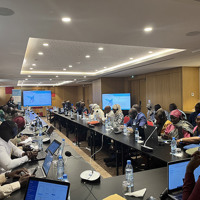
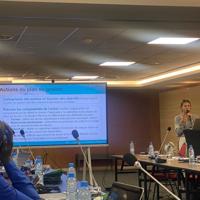
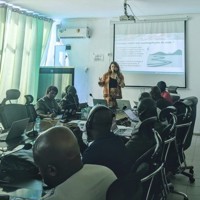
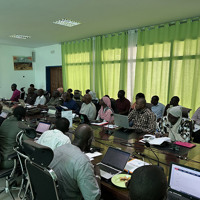
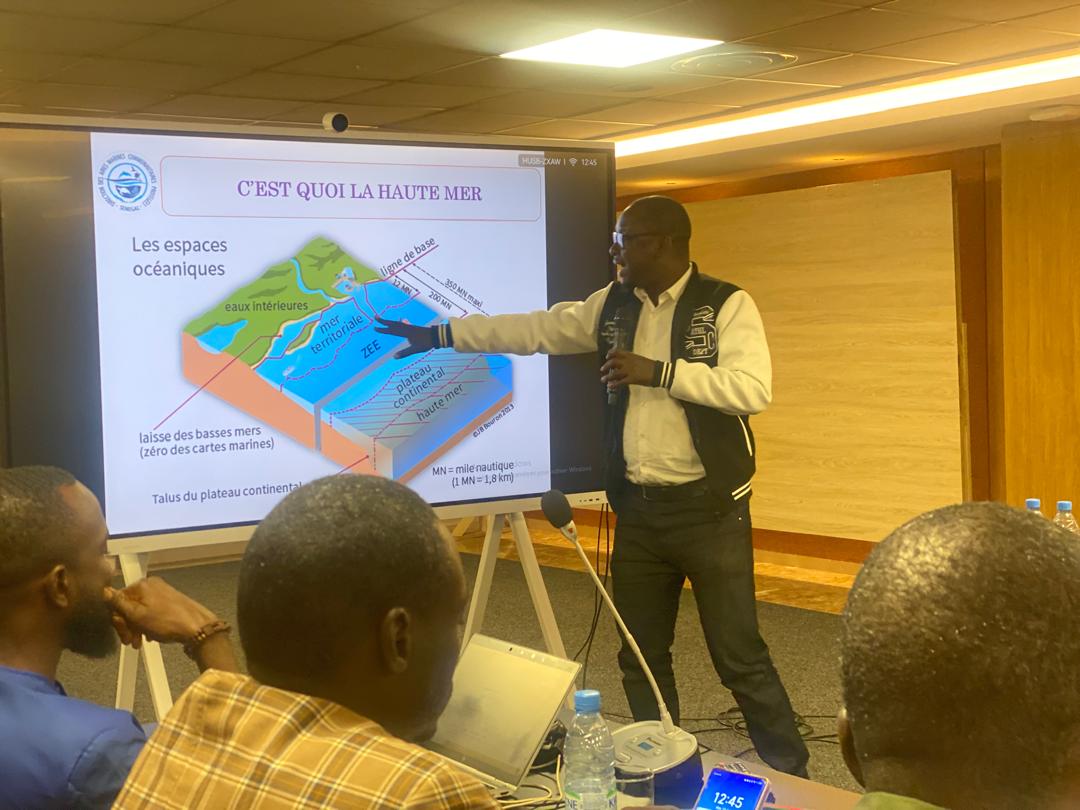
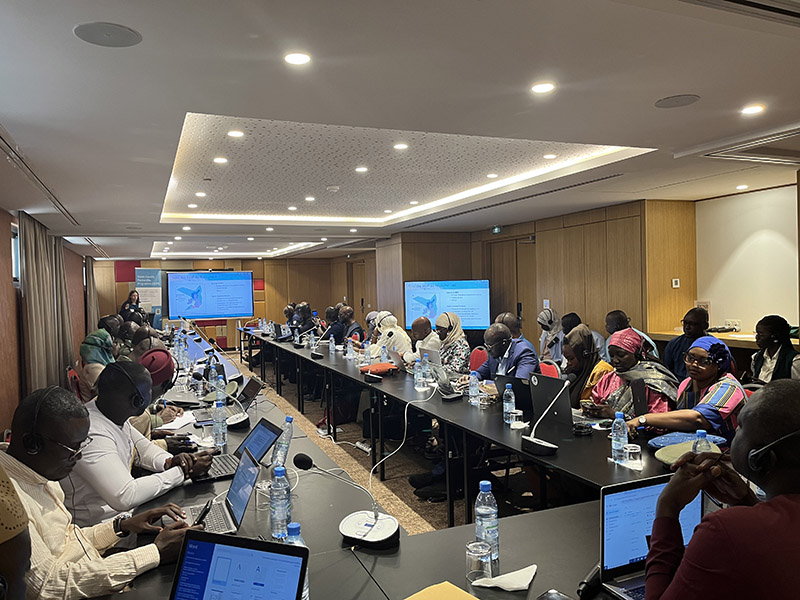
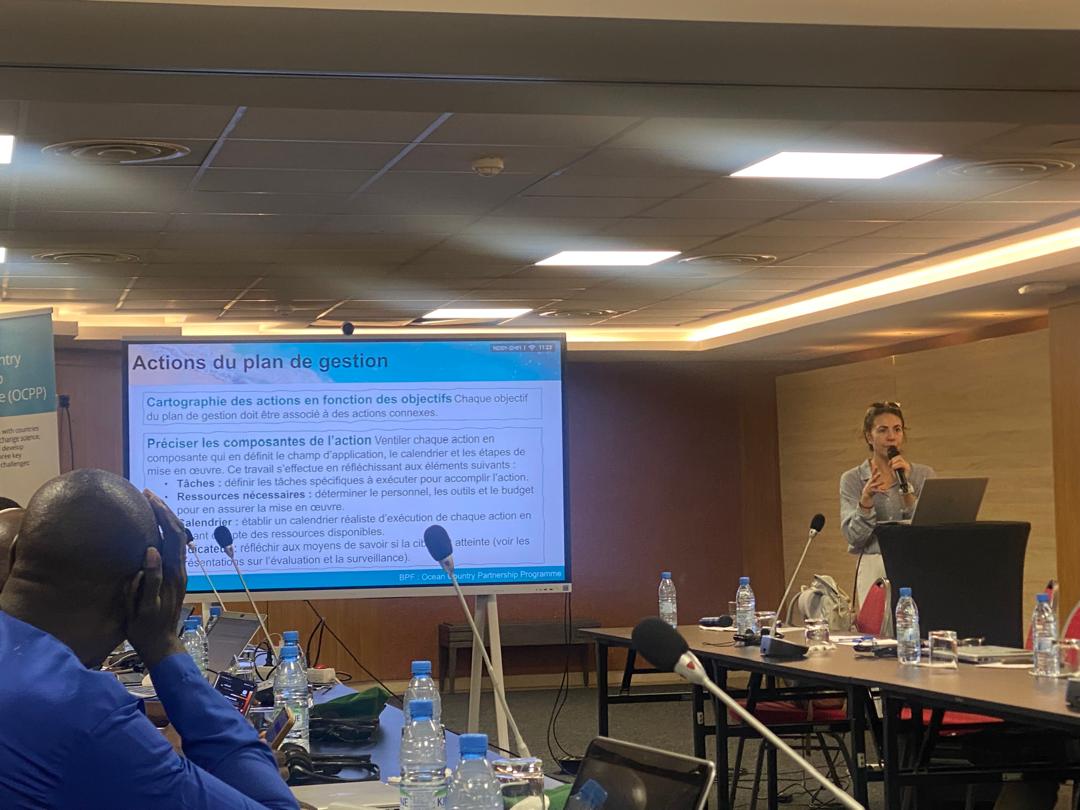
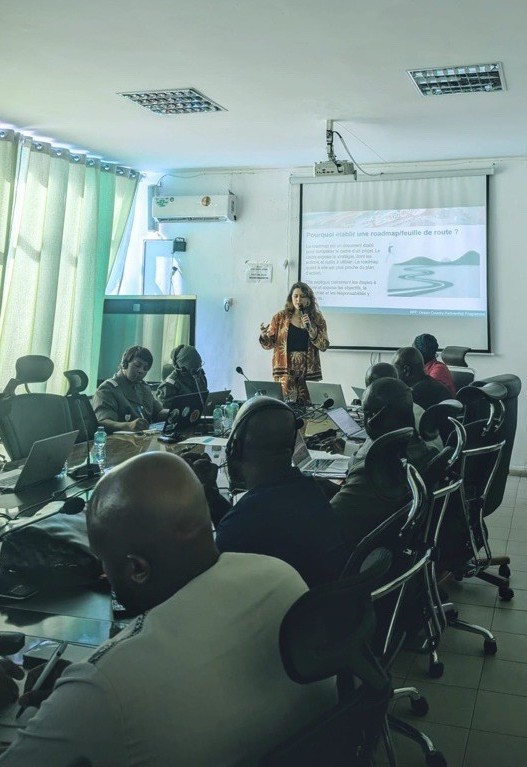
To support this ask, OCPP conducted a series of workshops in November 2023. An initial Marine Spatial Planning (MSP) workshop allowed OCPP to understand the challenges of integrating offshore MPAs in a space with multiple users. Additional workshops focused on the implementation cycle of MPAs, involving interactive activities and engagement from different stakeholders, covering the first steps to developing a roadmap for offshore MPAs. An Environmental Impact Assessment (EIA) best practise workshop provided a background on the importance of EIAs in the context of oil and gas expansion, which allowed scoping of future work to support Senegal’s.
These workshops aimed to build capacity among key stakeholders, enhance technical knowledge, and foster collaboration. Site visits to community-based MPAs at provided practical examples of successful MPA management and highlighted the importance of community involvement in conservation efforts in Senegal.
The series of workshops fed into the design of an offshore MPA framework guidance, to support the ambition of the Government in expanding their MPAs beyond the coastal zone. The framework sets out the vision, governance arrangements, and practical process for the identification, designation, management, monitoring, and evaluation of offshore MPAs in Senegal, and a range of case studies.
In 2025, partners progressed the Offshore MPA Framework to its final stages. Developed through a multi-year, collaborative process with national stakeholders, it provides a structured and realistic approach to support the long-term conservation and sustainable management of Senegal’s offshore marine biodiversity. Following stakeholder review and incorporation of feedback, the framework is being finalised to guide the next phase of offshore MPA implementation.
Offshore MPA Framework Validation Workshop
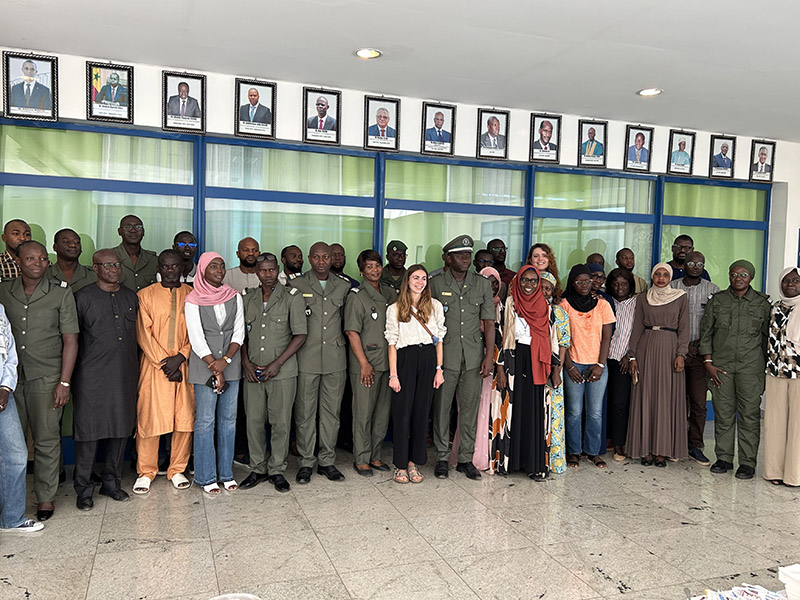
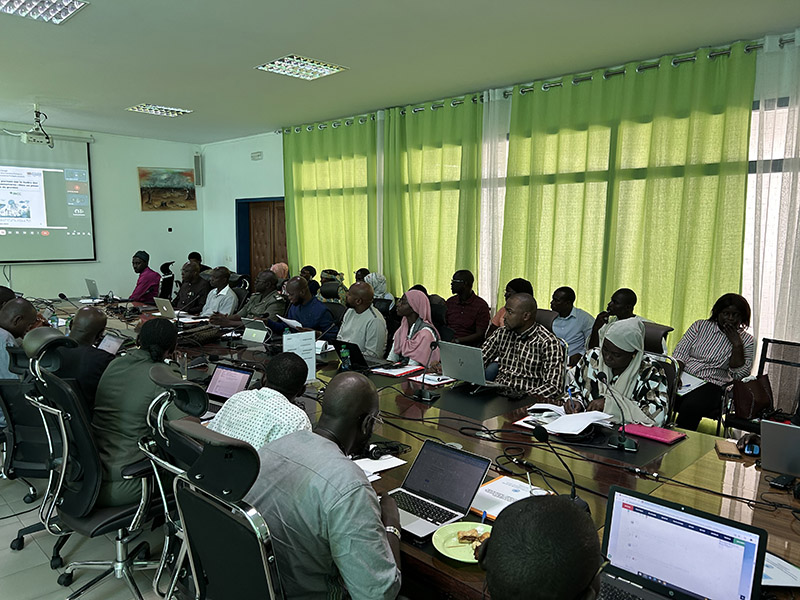
A national validation workshop was held on 6 November 2025, bringing together 43 participants from 19 organisations to review and validate the Offshore MPA Framework. The workshop presented the development process, the key components of the framework, and a proposed implementation roadmap, while gathering feedback from stakeholders across government and partner organisations. Discussions highlighted strong support for the framework and emphasised the importance of cross-sector collaboration, baseline data collection, and the development of technical and operational capacity for offshore management.
Sustainable Financing
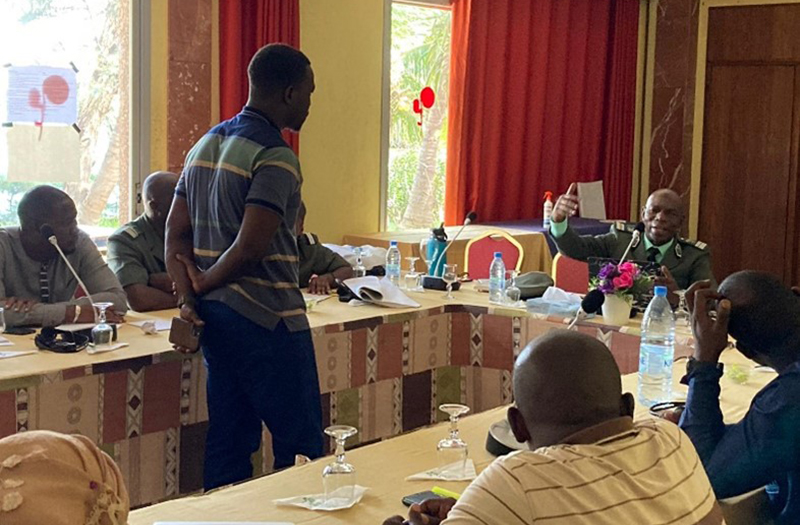
Through the OCPP, Finance Earth supported the Government of Senegal to identify long-term, sustainable financing options for the implementation of Marine Spatial Planning (MSP) and the expansion of offshore MPAs. MSP is recognised as a key tool for supporting a sustainable blue economy, helping to reduce conflict between marine activities while promoting the protection and sustainable use of marine and coastal resources.
Work undertaken in late 2025 assessed the national context and explored a range of potential financing mechanisms that could support MSP implementation and offshore MPA expansion. This included a desk-based review, development of criteria to evaluate financing options, and engagement with stakeholders to test feasibility, gather insights, and ensure alignment with national priorities. This collaborative approach helped identify realistic and locally appropriate financing opportunities.
Building on this work, a financing roadmap was developed to prioritise the most viable mechanisms and define a high-level pathway for implementation. The roadmap supports the piloting of selected financing approaches and was reviewed with stakeholders through a dedicated validation workshop. This work aimed to strengthen the long-term financial sustainability of MSP and offshore MPAs in Senegal, supporting continued progress beyond the lifetime of the programme, which ran until March 2026.
MPA Data Management Platform
Over 2025 and 2026, OCPP supported Senegal’s Directorate of Community Marine Protected Areas (DAMCP) in developing a modern, centralised data‑management platform to improve how information on the country's MPAs is collected, stored, and used. Built by the local company BAAMTU, the system aimed to combine a mobile app for offline-capable field data collection with a secure, government‑hosted web platform that streamlines data validation, reporting and analysis. Data management improvements strengthen national monitoring, biodiversity management and evidence‑based decision‑making. The project was carried out with continuous collaboration and feed-in from partners, including through workshops and regular feedback sessions, ensuring that the outputs work for the department and could be integrated into their operations going forward.
Marine Pollution Emergency Response
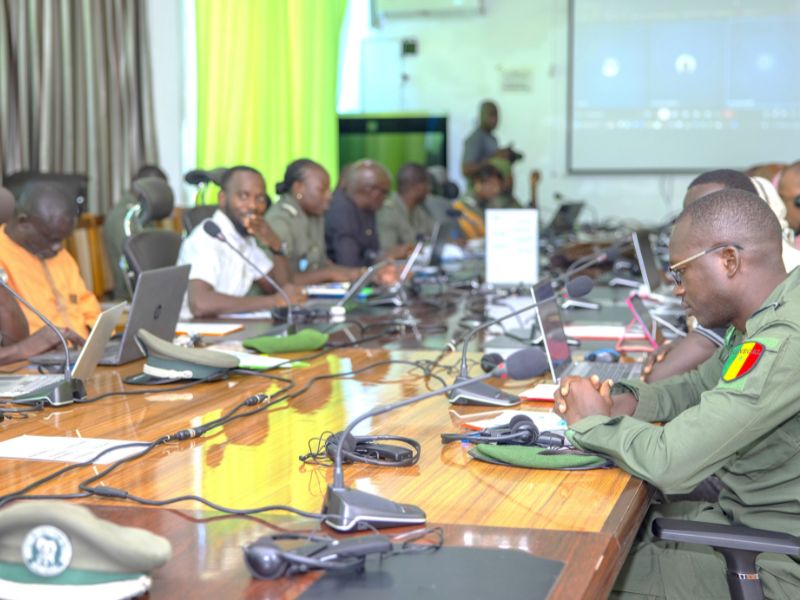
The OCPP is supporting the Haute Autorité Chargée De La Coordination De La Sécurité Maritime De La Sûreté Maritime Et De La Protection De L’environnement Marin (HASSMAR) to enhance their preparedness for emergency response to offshore industry-related activities. The project involves reviewing and updating Senegal's National Marine Emergency Response Plan and dispersant use policy, providing technical response training, and ensuring the completion and digital availability of Senegal’s Sensitivity Atlas. Additionally, the programme aims to strengthen regional collaboration for marine pollution emergency response and address any gaps within existing projects.
Resources
Published pieces of work associated with the listed activities undertaken through the OCPP-Senegal Government partnership can be found in this section and will be added throughout the programme.
Categories:
Published: