
In our latest blog post, we celebrate the St Helena Plover (Charadrius sanctaehelenae), affectionately known as the Wirebird. The Wirebird is the only remaining endemic bird of St Helena, and as such is a conservation priority.
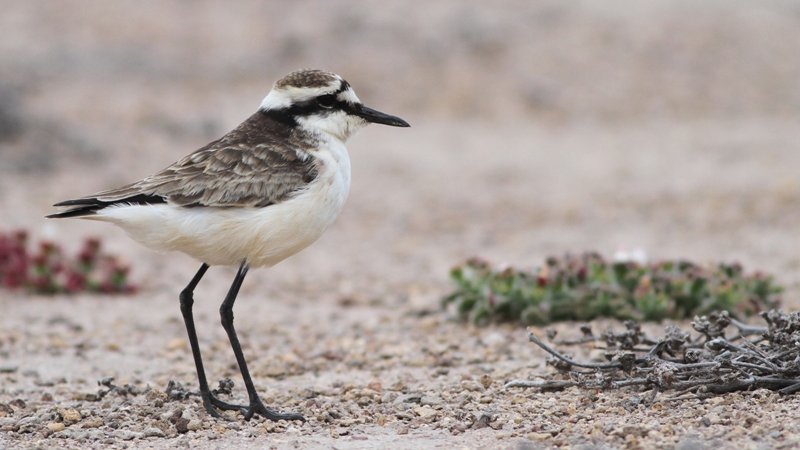
Image 1: A Wirebird on St Helena, a vital national symbol and conservation priority (photo credit: St Helena National Trust).
The UK Overseas Territories (UKOTs) are home to some of the world’s most unique and fragile ecosystems, and the newly launched UK Overseas Territories Biodiversity Strategy aims to strengthen the conservation efforts needed to protect them. Among the remarkable species found in these locations, the St Helena Plover (Charadrius sanctaehelenae), affectionately known as the Wirebird, holds a special place. As the only remaining endemic bird of St Helena, the Wirebird is both a national symbol (featuring on the flag) and a conservation priority.

Image 2: The flag of St Helena Island (credit: Saint Helena Government).
A Bird Like No Other
The Wirebird is a small, elegant plover distinguished by its long, slender legs and delicate features. Its common name was originally the veerbird due to it running to the side, but this name was eventually changed to the Wirebird due to its characteristic thin legs, which help it navigate the rocky and grassy landscapes of its island home. Historically, St Helena was home to several endemic bird species, but habitat destruction and introduced predators have driven all but the Wirebird to extinction. Its survival, therefore, carries profound ecological and cultural significance for the island and its people.
A Conservation Challenge
Despite its iconic status, the Wirebird is classified as Vulnerable by the IUCN due to its small and fluctuating population. Historically, surveys have recorded a decline in numbers, with the population falling by over 40% between 2001 and 2005. Though recent conservation efforts have stabilised the population at around 545 adults, threats such as habitat degradation, invasive species, and infrastructure development continue to place immense pressure on the species.
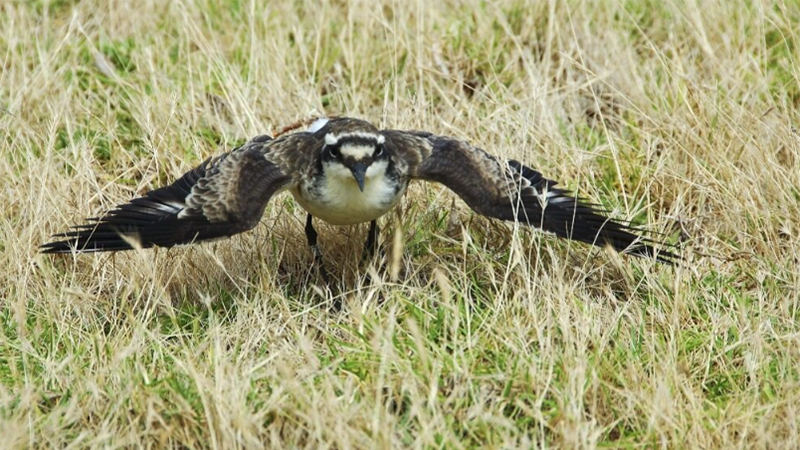
Image 3: A Wirebird takes flight in St Helena (photo credit: Andrew Darlow).
One of the main threats to the Wirebird is habitat loss due to changes in land use. The bird thrives in open, short-grass habitats with patches of bare ground for nesting. However, an increase in non-native vegetation, reduced grazing, and infrastructure developments have altered these landscapes and made survival for the Wirebird more challenging.
The Role of Habitat Management
The Wirebird’s conservation is closely linked to effective habitat management. Grazing plays a vital role in maintaining the short grasslands the bird prefers. The St Helena National Trust (SHNT) and local graziers have collaborated to implement sustainable grazing practices that balance agricultural needs with conservation goals. By carefully managing invasive plant species and ensuring that pasturelands remain suitable for Wirebird nesting, conservationists hope to reverse the species’ decline.
Predation is another major concern. Invasive exotic species such as feral cats, rats, and common mynas are known to prey on Wirebird eggs and chicks. Camera-trap studies have revealed that cats are responsible for over 60% of nest predation events. Efforts to control these predators through targeted management programs are crucial to improving breeding success rates and increasing chick survival.
A Call to Action
The launch of the UK Overseas Territories Biodiversity Strategy underscores the importance of supporting conservation efforts across the UKOTs. For St Helena, safeguarding the Wirebird is not just about protecting a single species, it’s about preserving the island’s natural heritage and ensuring that future generations can continue to experience its unique biodiversity.
The Wirebird’s story is one of resilience and hope. While challenges remain, the dedicated efforts of conservationists, local communities, and policymakers provide a pathway toward a stable and thriving population. By working together, we can ensure that St Helena’s national bird remains a proud emblem of the island’s rich natural legacy.
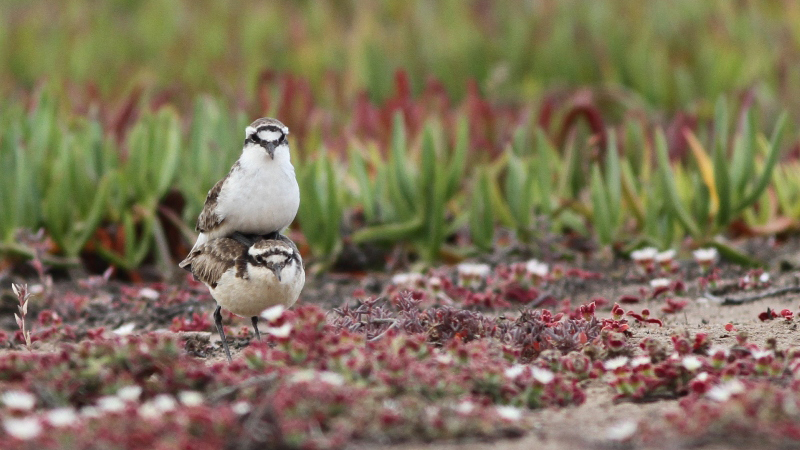
Image 4: Wirebirds on the lookout for new conservation projects to support their habitat (photo credit: St Helena National Trust).
Published: