
Following the launch of the Overseas Territories Biodiversity Strategy last week, our latest blog post, from our International Implementation Team, provides insights from the Gibraltar Overseas Territory Biodiversity Strategy Consultation Workshop.
In January 2023, key stakeholders from across Gibraltar’s conservation community came together for a dynamic two-day consultation workshop that helped shape the newly launched Overseas Territories Biodiversity Strategy (OTBDS). Hosted by the Gibraltar Government’s Department of Environment, Sustainability, Climate Change and Heritage, in collaboration with and facilitated by the Joint Nature Conservation Committee and Defra, the event was an opportunity to exchange knowledge, discuss priorities, and explore how collaborations, novel approaches and innovation can further support biodiversity conservation across the Overseas Territories.
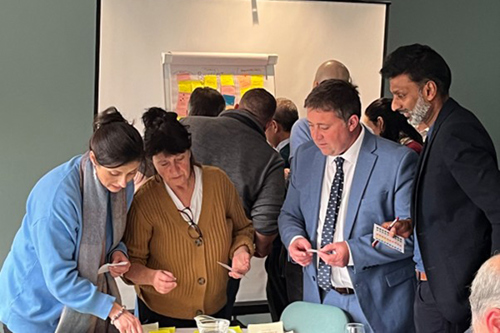
Image 1: Participants at the workshop engage in discussions and brainstorming to help define the biodiversity goals for Gibraltar in the OTBDS (photo credit: Amanda Gregory).
These collaborative discussions took place with all the UK Overseas Territories directly informing the development of the OTBDS. This facilitated the development of an OT-driven strategy informed by the aspirations of the dedicated professionals essential to the support of most of the UK’s biodiversity.
Gibraltar's unique natural environment hosts over 2,800 native species and 6 endemics, including the Gibraltar saxifrage. Its closeness to Morocco makes Gibraltar geographically important for hundreds of thousands of migratory birds on the African-Eurasian Flyway as well as sharing ranges for species such as Gibraltar’s national flower Gibraltar Campion (Silene tomentosa), and the iconic Barbary Macaque. Its waters are migratory routes from the North Atlantic and Mediterranean for many species including Sperm and Fin whales and Bluefin Tuna.
Set against this backdrop, the workshop brought together representatives from government departments, NGOs, and other key organisations to ensure diverse perspectives were heard. Discussions focused on conservation priorities, regional partnerships, and sustainable funding opportunities, generating meaningful insights that contributed to the development of the OTBDS.
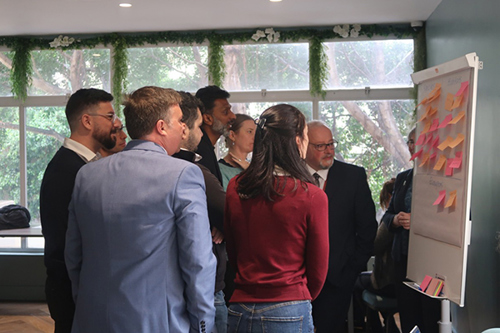
Image 2: Participants at the workshop engage in discussions and brainstorming to help define the biodiversity goals for Gibraltar in the OTBDS (Photo credit: Amanda Gregory).
Defining a Vision for Gibraltar’s Biodiversity
A key highlight of the workshop was the collective effort to define a vision for biodiversity conservation in Gibraltar. The resulting vision is encapsulated in the statement:
“No further loss of Gibraltar’s biodiversity, with net gain by 2030.”
This vision reflects the commitment of stakeholders to protect, restore, and enhance biodiversity across the territory.
Engaging with the local community was a recurring theme, as stakeholders highlighted the need to foster early engagement through school curricula, interpretation, and community-driven conservation initiatives. Education, public awareness, and knowledge-sharing were identified as essential to driving positive change and long-term conservation success.
Key conservation priorities
Participants emphasised the urgent need for robust baseline assessments to inform conservation strategies, particularly in marine environments and protected areas such as the Gibraltar Nature Reserve, which covers 36% of Gibraltar’s terrestrial area. Priority species identified include endemic flora, marine mammals such as the endangered Sperm Whale and vulnerable Fin Whale, and significant bird species like the critically endangered Balearic Shearwater and vulnerable Audouin’s Gull.
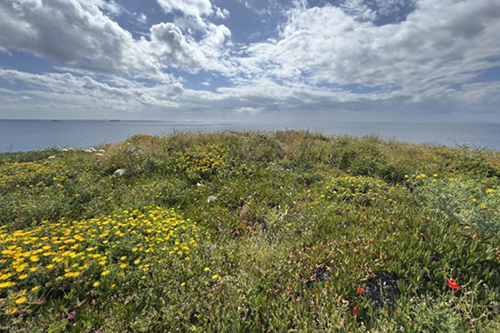
Image 3: Wildflowers and panoramic views in Gibraltar (Photo credit: Minister Cortes).
Conservation discussions highlighted threats from invasive species, urban development, and climate change impacts, such as sea-level rise and storm surges. Participants stressed the necessity of addressing these pressures through integrated strategies that balance economic growth with environmental sustainability.
Enhancing Regional and International Collaboration
Given Gibraltar’s strategic location, at the gateway to the Mediterranean and its proximity to both Spain and North Africa, stakeholders emphasised the importance of regional and international collaboration. Joining the Barcelona Convention was identified as a key priority to strengthen Gibraltar’s role in regional marine conservation efforts. Participants advocated for increased cooperation with regional countries, NGOs, and academic institutions to utilise shared facilities, expertise, and implement transboundary species protection and restoration programmes.
Cross-territory collaboration, including improved data management, indicator development, and knowledge transfer among UK Overseas Territories, was identified as essential to amplifying conservation impacts. Participants also called for strengthened integration with the UK Government through improved communication and support mechanisms.
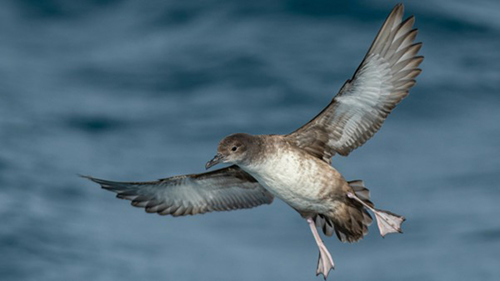
Image 4: A critically endangered Balearic Shearwater demonstrates its skill in flight in the Mediterranean (photo credit: Adobe Stock).
Strategic goals outlined at the workshop include embedding conservation skills and resources locally through upskilling, training, mentorship, secondments, and international collaboration opportunities. Participants also supported strengthening management and regulatory frameworks, including reviewing environmental legislation, introducing Biodiversity Net Gain requirements, and enhancing governance structures to align with international agreements such as the Bern Convention and UNEP’s Mediterranean Action Plan.
Looking Ahead: Next steps for the OT Biodiversity Strategy
Overall, the Gibraltar consultation workshop was a resounding success, fostering meaningful discussions, strengthening partnerships, and laying the groundwork for a more effective Biodiversity Strategy. It underscored the power and importance of collaboration, both within Gibraltar and the wider UKOT network, in achieving ambitious and sustainable conservation goals.
Prof John Cortes, Minister for Environment, Sustainability & Climate Change HM Government of Gibraltar, said of the OTBDS: "We have worked closely together with HMG to develop this strategy, making it an important collaboration which clearly sets out our aims and ambitions to protect and enhance our biodiversity. This will ensure that we continue to protect our habitats and species and take positive action to do so well into the future."
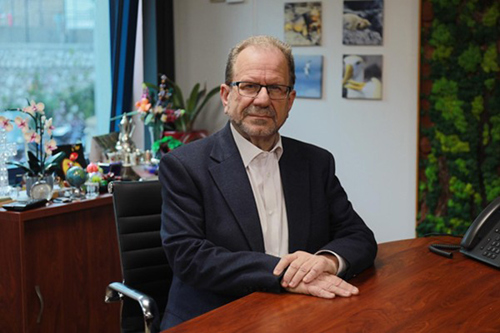
Image 5: Prof John Cortes, Minister for Environment, Sustainability & Climate Change HM Government of Gibraltar (photo credit: Minister Cortes).
With the release of the Overseas Territories Biodiversity Strategy, JNCC will now support the implementation of key priorities throughout the UKOTs in concert with local stakeholders. This implementation phase is the next important step in protecting the irreplaceable biodiversity that can only be found in the UK Overseas Territories.
Published: