
By International Implementation Team
In our latest blog post, our International Implementation Team reflect on a biodiversity workshop held on the Cayman Islands, and the extraordinary biodiversity of the islands.
“The Cayman Islands is delighted to welcome the launch of the updated Overseas Territories Biodiversity Strategy. Since initial consultations began in 2022, the Cayman Islands has been engaged with the teams at the UK’s Department for Environment, Food and Rural Affairs and the Joint Nature Conservation Committee, taking full advantage of the many opportunities for consultation. I appreciate the efforts of the team at Defra, led by Jordan Newman, and the JNCC for bringing together the Overseas Territories in the development of the strategy, and ensuring that the process was both consultative and cooperative. The result is a uniquely collaborative document which captures the distinctive nature and priorities of each Territory, while formalising shared goals that align all of our efforts to reconnect people with nature, develop skills and talent, and maximise opportunities for funding, partnership and collaboration.
The Cayman Islands is pleased to see the commitment by the United Kingdom to provide strategic support and advocacy that will bolster our vision for the Cayman Islands; a vision that fosters abundant native species and thriving habitats for their intrinsic value, and benefits to the economy, quality of life, culture, and heritage; effectively safeguarded by all for current and future generations.”
Hon. Minister Katherine Ebanks-Wilks, Minister for Health, Environment & Sustainability.
In June 2023, JNCC convened a two-day consultation workshop in the Cayman Islands, marking a major step forward in the creation of the newly released Overseas Territories Biodiversity Strategy. Facilitated in close collaboration with the Cayman Islands Government Department of Environment (DoE), this workshop was a vibrant gathering characterised by partnership, innovation, and shared commitment to safeguarding biodiversity.
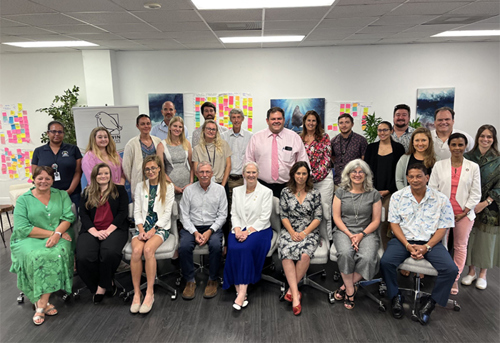
Image 1: Stakeholders pose for a picture after a successful day of outlining biodiversity goals for the Cayman Islands (photo credit: Amanda Gregory).
A Collaborative and Enthusiastic Gathering
With 40 attendees on day one and 34 on day two, the workshop attracted representatives from government departments, non-governmental organisations (NGOs), and key local stakeholders. This diverse participation ensured comprehensive discussions and a rich variety of insights. Interactive sessions invited participants to outline their vision for biodiversity across the Cayman Islands and to identify key priorities and actions aligning with the Strategy's strategic goals.
Key Outcomes and Exciting Insights
Participants enthusiastically embraced a vision for Cayman that was articulated during the workshop, which states:
'A Cayman Islands that fosters abundant native species and thriving habitats for their intrinsic value, and benefits to the economy, quality of life, culture, and heritage; effectively safeguarded by all for current and future generations.'
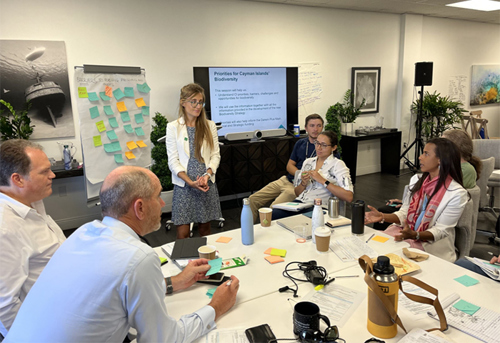
Image 2: Attendees at the workshop brainstorm the priorities for biodiversity in Cayman (photo credit: Amanda Gregory).
The Cayman Islands, comprising Grand Cayman, Cayman Brac, and Little Cayman, boast remarkable habitats such as dry sub-tropical forests, mangrove wetlands, and unique limestone caves. These habitats are home to many native species, including iconic species such as the critically endangered Scalloped Hammerhead shark and the critically endangered Ghost Orchid.
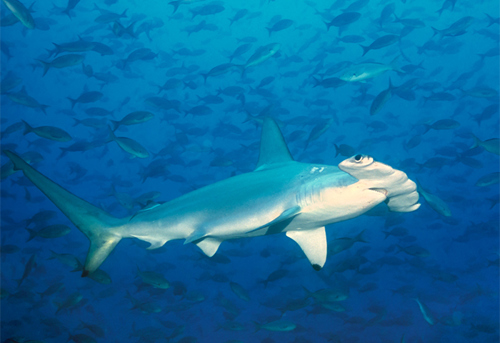
Image 3: The Scalloped Hammerhead shark, a critically endangered species found in the waters of the Cayman Islands (photo credit: Adobe Stock).
The workshop highlighted urgent conservation priorities, particularly addressing threats from habitat loss, invasive species, and climate change. Critical areas such as mangroves, coral reefs, and old-growth dry forests were prioritised, emphasising the need for stronger conservation legislation and enforcement.
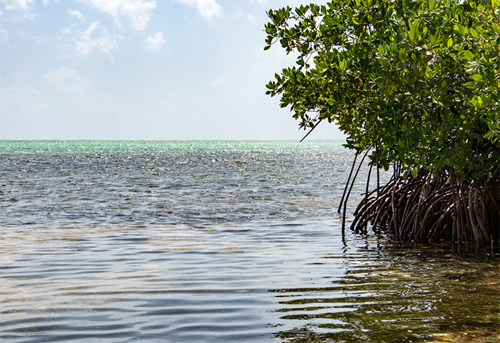
Image 4: Mangroves provide essential flood and erosion protection throughout the Cayman Islands (photo credit: Adobe Stock).
Shaping a Strategy that Reflects Local Needs
Workshop discussions strongly echoed the need for the Strategy to be practical, adaptable, and deeply embedded within local contexts, which is strongly engrained in the final product. Specific local priorities included:
- Enhancing public education and community engagement to foster stewardship of natural resources.
- Incorporating biodiversity conservation more fully into the national curriculum to develop future nature stewards.
- Increasing operational capacity for environmental protection through training and capacity building.
- Promoting sustainable use and responsible management through government-NGO collaboration.
- Addressing key challenges such as invasive species, habitat protection, and climate resilience through strengthened legislation, targeted research, and coordinated data collection.
Looking Forward with Optimism
As the workshop concluded, there was an undeniable sense of collective optimism and determination. Participants expressed confidence that the Strategy will effectively guide the Cayman Islands toward a future of enhanced biodiversity conservation and community resilience.
Together, we are charting a path toward thriving ecosystems and flourishing communities, which is a compelling demonstration of what is possible through collective action and shared purpose.
If you'd like to find out more, the UK Overseas Territories Biodiversity Strategy is available from the gov.uk website.
Published: